
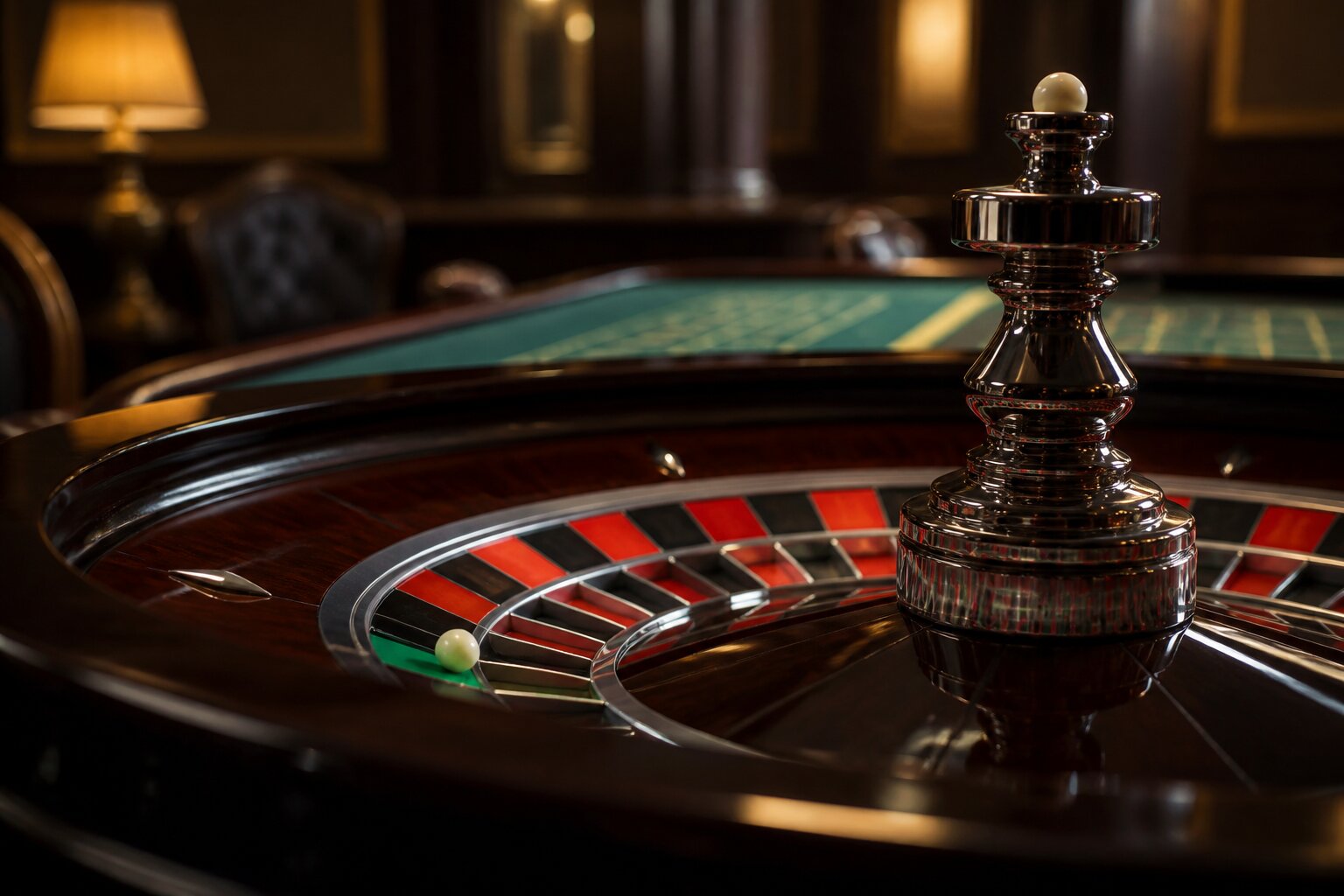
Roulette is a long-standing casino favourite, known for its colourful wheel and brisk pace. Many players bet on familiar numbers or colours, while the green zero often sits to one side.
Zero can be overlooked, but understanding how it works and when it might fit into your play can change how you approach the table. Read on to discover what a zero bet actually means and when it could be worth considering.
What Does Betting on Zero Mean in Roulette?
Betting on zero means placing chips directly on the number 0 on the betting layout. On most wheels there is a single green zero. Some wheels include both a single zero (0) and a double zero (00); the presence of one or both affects the overall odds but not the payout for a straight-up zero bet.
At a physical table you place your chips on the marked 0 space. A straight-up wager on zero pays 35 to 1 when it wins, so a £1 stake would return £36 in total. Online tables work the same way: you click or tap the 0 on the layout and the stake is recorded for the next spin.
Different wheel types and layout designs change only the probability of a win, not that 35 to 1 payout. That difference in probability is important because it alters the house advantage, which is why the wheel type matters when deciding how to include zero in your betting approach. Next, we look at how often zero shows up and what that means for your odds.
How Often Does Zero Come Up in Roulette?
Zero is less frequent than the red or black numbers because there are fewer green slots. On wheels with a single zero, the probability of a spin landing on zero is 1 in 37, which is about 2.7%. If a wheel also carries a double zero, each of the green pockets has a 1 in 38 chance on a single spin, so the combined chance of any green pocket landing is roughly 5.3%.
These percentages describe the expected frequency over many spins; each spin itself is an independent event, so earlier outcomes do not change the odds on later spins. In practical terms, that means you might see zero appear a couple of times in a short session, or it might not appear for longer stretches—both outcomes are consistent with the probabilities above.
Understanding those figures clarifies why betting on zero requires a different mindset than even-money bets: the payoff is higher, but the hit rate is lower. With that in mind, the following section considers whether zero should be included in a player’s betting choices and why the wheel type affects that decision.
Should You Consider Zero When Placing Roulette Bets?
Including zero in your betting mix adds variety and a potential for a larger single-win payout, but it also brings longer odds. For some players a straight-up on zero is an occasional high-reward play within a broader approach that uses other bets to manage frequency of wins. Others place small covers on zero alongside outside bets to spread exposure.
The single versus double zero distinction is key here. Wheels with one zero give better expected returns to players than wheels with two green pockets because the house advantage is lower. That means treating zero differently depending on the wheel makes sense: a straight-up on zero is comparatively more attractive on a wheel with a single zero.
Whether to include zero depends on personal preference and bankroll planning. Some players enjoy occasional single-number punts for the big payout, while others prefer steady, lower-return bets that win more often. Consider the role you want zero to play in your overall approach, then align your stakes to reflect that. The next section compares zero bets to other wager types to help put the decision in context.
Is Betting on Zero Worth It Compared to Other Options?
A straight-up zero bet is a high-payout, low-probability wager. Compared with even-money bets like red/black or odd/even, zero offers a much larger return but a much smaller chance of success. For example, a red/black wager covers 18 numbers and pays even money, so wins are frequent but payouts are modest. A split bet covers two numbers and pays 17 to 1, giving a middle ground between single-number bets and outside bets.
Because the straight-up payout is fixed at 35 to 1 while the probability varies with wheel type, the expected return from a zero bet is lower than the mathematical odds would indicate; this is how the house margin is built into the game. That makes zero a clear example of a high-variance choice: it can produce a sizeable single win but contributes less to a steady session of small wins.
Deciding whether it is worth it comes down to how you value volatility versus frequency. If your aim is occasional large payouts and you accept long losing runs, zero can be an attractive option in small, controlled amounts. If you prefer more consistent results, outside bets will align better with that preference. Keep your stakes within a level you can comfortably lose; this helps ensure the game stays a form of entertainment rather than creating financial pressure.
Myth: Zero is ‘due’ after a streak without it.
Fact: Every spin is an independent event; earlier spins do not affect later ones. The mechanics of the wheel or the certified random number generator in electronic versions ensure each outcome has the same probability each time. Past results do not make zero more or less likely on the next spin.
Myth: Betting on zero gives an ‘edge’ over the casino.
Fact: The payout structure and wheel design set the odds. The payout for a straight-up bet is lower than the true odds of that outcome, and that difference is how the house retains its advantage. No bet on a single number can overcome that built-in edge in the long run.
Myth: Only certain players win with zero.
Fact: No personal trait, ritual or betting habit changes the probability of zero appearing. Wins and losses are the result of chance as governed by the wheel’s physics or the electronic system’s certified randomness. Any short-term patterns are coincidental rather than evidence of a player-specific advantage.
Myth: Systems can predict or increase zero results.
Fact: Betting systems cannot alter the independent probabilities of spins. Strategies that claim to predict, force or exploit zero outcomes are not supported by the way the game operates. While systems can change how you manage your stake, they do not change the underlying odds.
Myth: Zero pays more than other single numbers.
Fact: A straight-up bet on zero pays the same as a straight-up bet on any other single number. The nominal payout does not reflect a higher probability for zero; the house edge remains consistent across single-number bets.
Separate from these corrections to common misunderstandings, remember to set limits and monitor play. Decide in advance how much you can afford to lose and stick to those limits. Take breaks and treat play as entertainment rather than a way to make money.
With clear expectations about the frequency of outcomes and the payout structure, you can choose whether to include zero in your play and enjoy the game without overstretching your resources. If you feel your gambling is becoming a problem, seek help from appropriate support organisations.
Enjoy Casino Games at Daisy Slots
We’re always delighted to welcome new players to our site, where you can spend some time enjoying the world of online casino entertainment at your own pace. Our friendly team is here to help make your experience as pleasant as possible.
Getting started is straightforward – just create an account, make your first deposit and you’re all set to play. We look forward to seeing you at Daisy Slots soon!
**The information provided in this blog is intended for educational purposes and should not be construed as betting advice or a guarantee of success. Always gamble responsibly.