
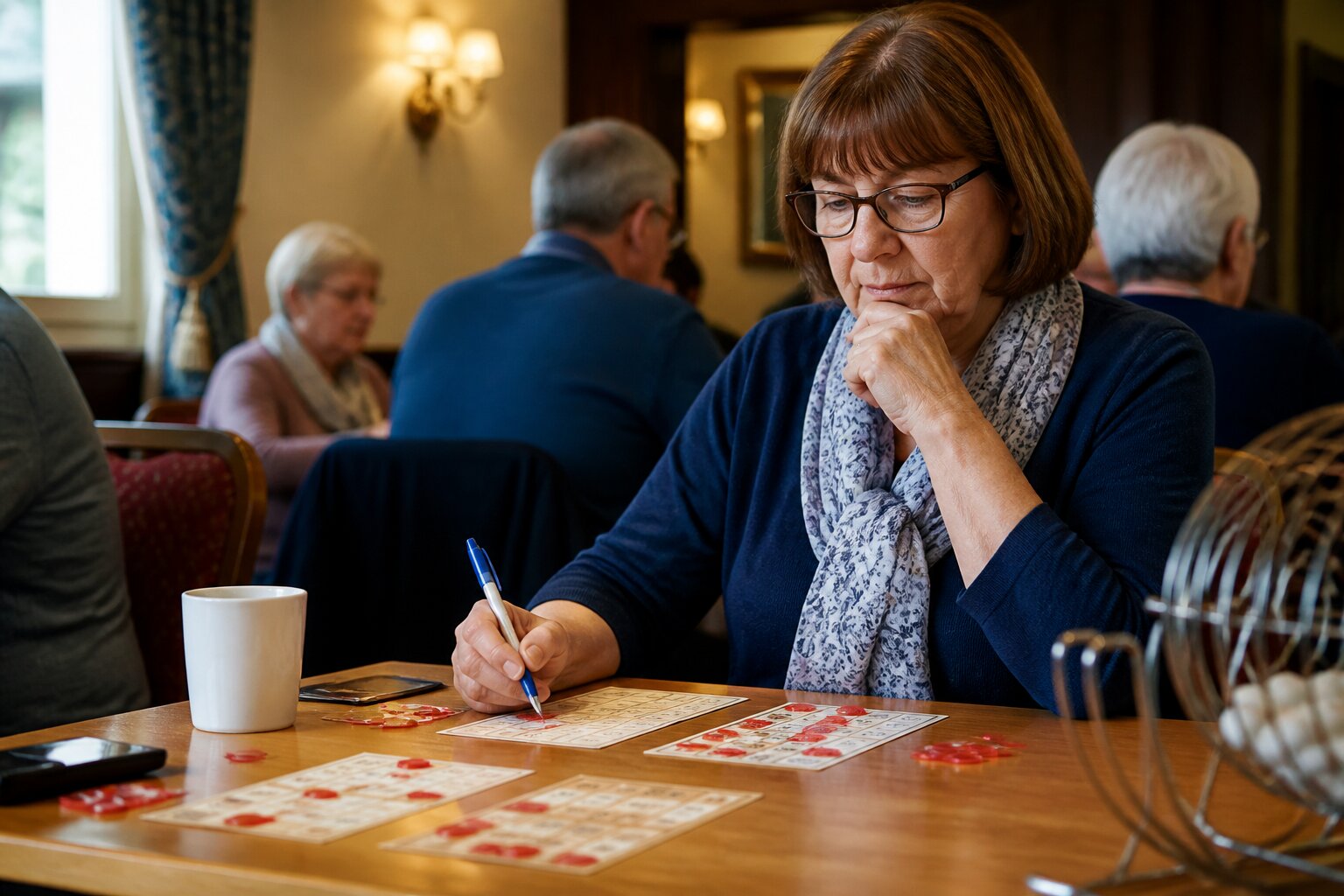
Bingo is enjoyed by millions, whether in a local hall or from home online. Many players wonder if there’s more to winning than the sequence of numbers called: is there a practical advantage to having experience, or is the result simply outside a player’s control?
Some people say there’s a knack to bingo — spotting patterns quickly, managing multiple cards or choosing games that suit their style. Others maintain that the core mechanics leave little room for influence. This article untangles those views and explains what aspects, if any, a player can affect. Read on to get a clearer picture of how bingo works and what really matters when you play.
What Is Skill in the Context of Bingo?
When we talk about skill in games, we mean actions or decisions a player can take that could change the odds in their favour. In card games like poker, for instance, reading opponents and choosing when to fold are clear examples of skill.
Bingo differs because the numbers called and the card layouts are produced by random processes beyond any player’s control. Skill in bingo tends to be limited to factors such as choosing how many cards to play, staying focused so you don’t miss a call, and understanding the rules and winning patterns for different game formats. Online platforms sometimes reward speed of attention in multi-card sessions, while live halls reward organisation and concentration.
Crucially, while these behaviours may improve the experience or slightly affect the number of entries a player holds in a session, they do not alter the underlying probability that a particular card will match the numbers drawn. Skill in bingo, therefore, is more about managing play and participation than manipulating outcomes.
How Do Bingo Games Work?
Bingo starts with each player receiving one or more cards, each containing a grid of numbers arranged according to the format in play. Numbers are selected at random—either mechanically in a hall or by a certified random number generator online.
As the game progresses, called numbers are marked off on cards. Depending on the variant, a win may require a single line, two lines, a full house, or a specific pattern printed on the card. The first participant to complete the target pattern announces their win and receives the prize.
Because cards and number draws are generated without player input, every round resets the field. The process is intended to be transparent and fair, with regulated procedures and checks in place to ensure the draw and card allocation are impartial, whether the event is held in person or on a platform.
Are Bingo Outcomes Based on Skill or Chance?
Outcomes in bingo are determined by random processes: the selection of numbers and the distribution of numbers across cards. While player choices—such as entering more cards in a game—affect how many opportunities someone holds, they do not change how the numbers are drawn or which specific cards will match those numbers.
Being alert and marking numbers accurately helps ensure you do not miss a valid win, particularly in fast-paced sessions with multiple cards. That kind of attentiveness affects whether you capitalise on a win when it occurs rather than changing the likelihood that you will win. In short, player actions influence participation and responsiveness, not the statistical mechanics that produce winners.
Common Myths About Skill in Bingo
Misunderstandings about bingo often arise from attempts to find patterns where none exist. One widespread belief is that certain routines — like selecting particular cards, playing at specific times, or choosing a particular seat in a hall — can influence results. In practice, these factors do not interact with the random processes used to draw numbers or create cards.
Another frequent claim is that buying more cards guarantees victory. While additional cards do increase the number of combinations you hold in a session, they still don’t remove the element of randomness that determines which combinations will match the drawn numbers. Equally, any person or product asserting a guaranteed method to win should be treated with scepticism, since no system can override the impartial mechanisms that produce outcomes.
Understanding these myths helps set realistic expectations and keeps the focus on the aspects of play that do matter: knowing rules, staying attentive, and choosing the type of game you prefer.
Does the Type of Bingo Affect Required Skill?
Different formats — such as 90-ball and 75-ball bingo, or themed online variants — change card structure and winning patterns, but they do not introduce significant skill-based advantages. The player-facing differences are mainly practical: 75-ball games feature smaller grids and often faster rounds, whereas 90-ball games have larger cards and a different sequence of wins.
In live halls, marking several physical cards requires organisation and quick recognition of numbers. Online, many platforms mark matching numbers automatically, so the emphasis shifts from manual speed to selecting the number of cards you want and monitoring any automated alerts. Each format offers a different style of engagement, and players may find one suits their preferences better, but none turns bingo into a skill-dominant game.
Skill vs Social Aspect: What Really Matters in Bingo?
For many players, bingo’s primary appeal is social. Local halls host conversations, laughter and a sense of community. They are places where people meet friends, catch up with neighbours and enjoy a shared pastime in a familiar setting.
Online games often include chat features that replicate that social interaction. Many rooms have hosts, themed sessions and community-led banter that help create a friendly atmosphere. These online options can bring together people who would not otherwise meet, widening the social circle beyond local areas.
The limited scope of skill in bingo — mainly attention and organisation — means social interaction and enjoyment are often the central benefits. Because the game does not rely on complex strategy, it is accessible to a wide range of players and age groups, making the social element even more important.
People attend or log on for different social reasons, for example:
- companionship and conversation,
- a regular night out or weekly routine,
- themed events, fundraisers or charity sessions,
- joining a friendly online room where familiar faces gather.
These social contexts frame how the game is experienced and remembered, and they often matter more than the competitive impulse. Many players value the ritual of attending and the sense of belonging it brings.
Remember that bingo should be enjoyed as a form of social entertainment. Play within your means, set limits and seek help if the social aspect starts to mask any harmful behaviour.
Can Players Improve at Bingo?
Although players cannot alter the core probabilities, they can make choices that improve the quality of their sessions. Familiarity with various game formats and their winning patterns reduces confusion and helps players respond confidently when a potential win occurs. Organising cards in a clear way and setting up a comfortable environment to play in also contributes to a smoother experience.
Choosing a playing environment that matches your preferences matters too. Someone who finds concentration easier in a quieter online game may enjoy their time more than in a crowded hall, and vice versa. Ultimately, improvements come from selecting what suits you and reducing friction so you can focus on enjoying the game.
Is Bingo Considered a Game of Skill in the UK?
Under UK law and guidance from the gambling regulator, bingo is classified as a game of chance. This classification reflects the way winners are determined: by random selection of numbers and distribution of cards. Regulations require that the processes used to generate draws and allocate cards are fair and transparent, with oversight to protect players.
Operators and platforms offering bingo are expected to comply with these rules and provide clear information about how games work. If you want assurance about a provider’s practices, check that the operator follows official regulatory standards. That helps ensure fairness in the mechanics of play and confidence in how games are run.
Summary: Is Bingo Really About Skill?
Bingo is primarily governed by random processes that decide which cards match the numbers called. While player behaviours such as attention to calls, card management, and choice of format can shape the playing experience and the number of entries a person holds, they do not change the fundamental mechanics that determine winners.
The main attractions of bingo are its entertainment and social aspects. Many players value the connection with others and the simple pleasure of taking part. If you play with that outlook — focusing on enjoyment and clear personal limits — bingo can be a rewarding pastime.
Set sensible limits, choose games that suit your preferences, and contact our support if you need assistance with managing play.
**The information provided in this blog is intended for educational purposes and should not be construed as betting advice or a guarantee of success. Always gamble responsibly.