
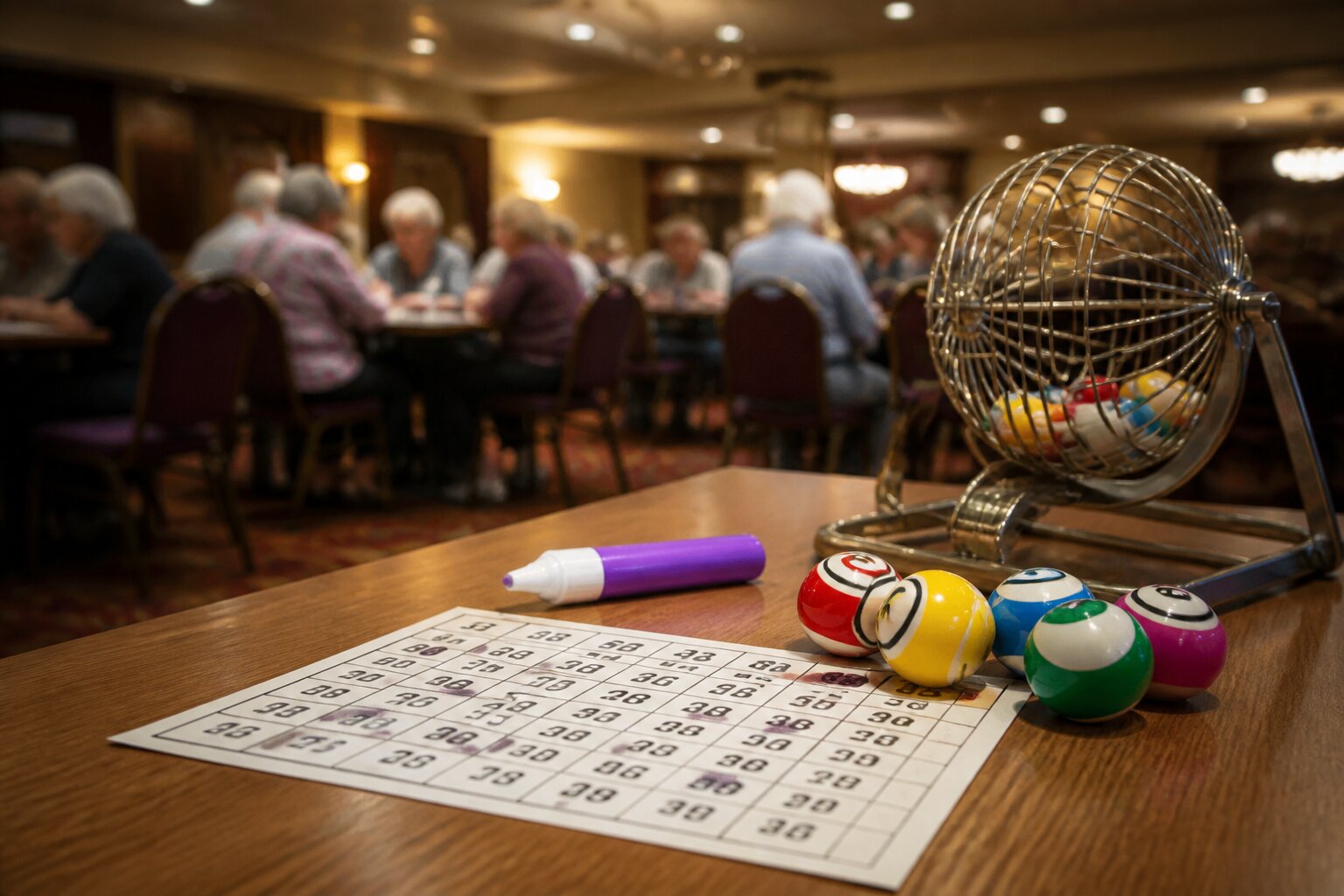
Bingo nights are a familiar sight, whether in community halls or online, bringing people together for social gaming and small-stakes prizes. But is bingo simply entertainment, or does it belong among other regulated forms of gambling?
This article explains how bingo works, why it fits the legal definition of gambling in the UK, and what that means for players and operators. Read on for clear, practical detail about rules, safety, and common misunderstandings.
What Defines Gambling In The UK?
In the UK, gambling is defined and regulated to protect players and keep games fair. The UK Gambling Commission sets the rules that licensed operators must follow and monitors compliance to help ensure consumer protection and the integrity of gambling activities.
Gambling involves three core features. These are:
- staking: there is a payment, stake or other financial risk to take part;
- chance: the outcome depends at least in part on randomness or uncertain events;
- a prize: players can win money or something else of material value.
All three elements are generally required for an activity to be classed as gambling under UK law. If one element is missing, the activity may fall outside gambling regulation, although other laws could still apply.
It is also a legal requirement that licensed gambling is restricted to adults. For most licensed activities, including bingo played for money or prizes, participants must be 18 or older. Operators must verify age and identity where appropriate to prevent underage access and help keep gambling safe.
Does Bingo Meet The Legal Definition Of Gambling?
Bingo fits the UK legal definition of gambling. Players pay to participate and the outcome depends on random number draws. There is no action a player can take to influence which numbers are drawn.
Because those elements are present, bingo played for money or valuable prizes is treated the same as other licensed gambling products. Operators therefore need the appropriate licence and must follow the Commission’s rules on fairness, transparency, and player protection.
That legal status does not remove bingo’s social character, but it does bring obligations around age checks, account verification, and safeguards to help players make informed choices.
How Does Bingo Differ From Other Forms Of Gambling?
Bingo shares key legal features with other gambling activities but differs in shape and social experience. It is usually played as a group activity, so the competitive element is typically between players rather than being a direct contest with the operator.
Pace and structure set it apart. Games develop over a number of calls, which tends to reduce the immediacy of wins and losses compared with instant-play products like slots. Ticket prices are often fixed and modest, which can make it easier for many players to budget their spending.
By contrast, casino games and sports betting can allow larger, rapid stakes and more complex decision-making. Those differences affect the player experience, the kinds of controls operators use, and the ways in which people manage their participation.
That social side and measured pace can make bingo appealing to people who prefer group play and lower-stakes sessions, while the regulatory framework ensures similar protections to other gambling forms.
Is Bingo A Game Of Chance Or Skill?
Bingo is predominantly a game of chance. Tickets are issued with random number combinations and winning numbers are drawn at random, so there is no skill-based strategy that can influence the outcome.
This distinguishes bingo from games where decisions influence the result, such as poker or certain sports wagers. In bingo the relevant factor is randomness in the draw, which gives every eligible ticket the same theoretical chance in any given game.
Understanding this helps set appropriate expectations: bingo’s value is largely in social engagement and the excitement of the moment rather than in developing a technique to secure consistent winnings.
Are Bingo Winnings Considered Gambling Winnings?
Yes, winnings from bingo are treated as gambling winnings under UK law. When bingo is played for money or valuable prizes it meets the legal definition of gambling, so prizes awarded are classified accordingly.
Prizes can range from small payouts in local sessions to larger sums in organised events or online rooms. Examples include:
- modest cash or token prizes at community halls,
- bigger jackpots or guaranteed prize pools at larger venues,
- online room prizes and progressive jackpots offered by licensed operators.
Because outcomes depend on random draws, prizes are not guaranteed and should be regarded as occasional rewards rather than a reliable source of income. In the UK, individual players do not usually pay income tax on gambling winnings; however, businesses that run gambling services are subject to taxation and regulatory obligations.
Knowing how winnings are classified can help players understand the nature of participation and make informed choices. It is sensible to set personal limits on spend and play frequency and to use the responsible gambling tools offered by licensed operators.
Can You Play Bingo For Free Or Just For Money?
Bingo is available in both free and paid forms, depending on the provider and setting. Community groups, charities, and many online platforms offer free or low-cost sessions intended for social interaction or fundraising. In those contexts prizes may be non-monetary or modest tokens.
Licensed operators also run real-money games where purchasing tickets gives access to cash prizes or other rewards. Online providers sometimes offer trial rooms or promotional tickets that let users experience the game without depositing funds.
Choosing between free and paid play comes down to your aims: socialising and practice can be covered by free formats, while live prize games require staking. Either way, checking the game rules and prize terms before joining helps you understand what to expect.
Is Bingo Considered Safe Compared To Other Gambling Activities?
Bingo is often seen as lower risk relative to some other gambling activities, partly because of its slower pace and common use of lower ticket prices. Regulatory safeguards apply equally, however, so safety depends both on the operator’s compliance and on players managing their own participation.
Licensed providers must have measures in place for fairness, secure handling of funds, and player protections such as deposit limits and self-exclusion options. Audits and transparency about odds are part of the regulatory approach to ensure games are conducted properly.
That said, no gambling activity is without potential harm. Problems can emerge if spending grows beyond what a person can manage. Being aware of limits, using available controls and support, and choosing reputable providers are effective ways to reduce risk while enjoying the game.
Common Myths About Bingo And Gambling
There are a few persistent misunderstandings about bingo. One is the idea that it is not “real” gambling; in legal terms it is, because it involves a stake, randomness, and a prize. Another myth is that personal rituals or experience can improve results. Since outcomes result from random draws, such practices do not change the odds.
Some assume bingo sites are less regulated than other gambling services. In fact, licensed bingo operators must follow the same regulatory standards that apply to other gambling sectors, including checks on fairness and consumer protection measures.
Separating fact from fiction helps people make sensible choices about participation and keeps focus on enjoyment rather than misplaced expectations of consistent wins.
How Is Bingo Regulated In The UK?
Bingo is regulated by the UK Gambling Commission to ensure operators meet legal standards for fairness and consumer protection. Licences require providers to carry out age verification, handle customer funds securely, and ensure the randomness and integrity of their games through independent testing and regular audits.
Operators must also present clear information about game rules and prize structures, and they need to provide tools to help players control their play. Compliance is monitored and enforcement action can be taken where standards are not met.
These regulatory measures aim to create a level of trust for players, making participating in bingo a transparent and accountable activity when conducted by a licensed provider.
Who Can Legally Play Bingo In The UK?
There are specific legal requirements about who may take part in bingo sessions. The minimum legal age to play bingo for money or prizes is 18. This applies to both in-person venues and online platforms.
Operators have a responsibility to verify a player’s age before permitting participation. Checks are usually carried out at sign-up for online services and at entry for physical venues. These steps protect young people and help ensure compliance with the law.
Providers are also expected to support safe play through limit tools and by offering information about the risks associated with gambling. If someone is under 18, they are not allowed to play bingo for money or prizes and must be refused access in line with legal requirements.
**The information provided in this blog is intended for educational purposes and should not be construed as betting advice or a guarantee of success. Always gamble responsibly.