
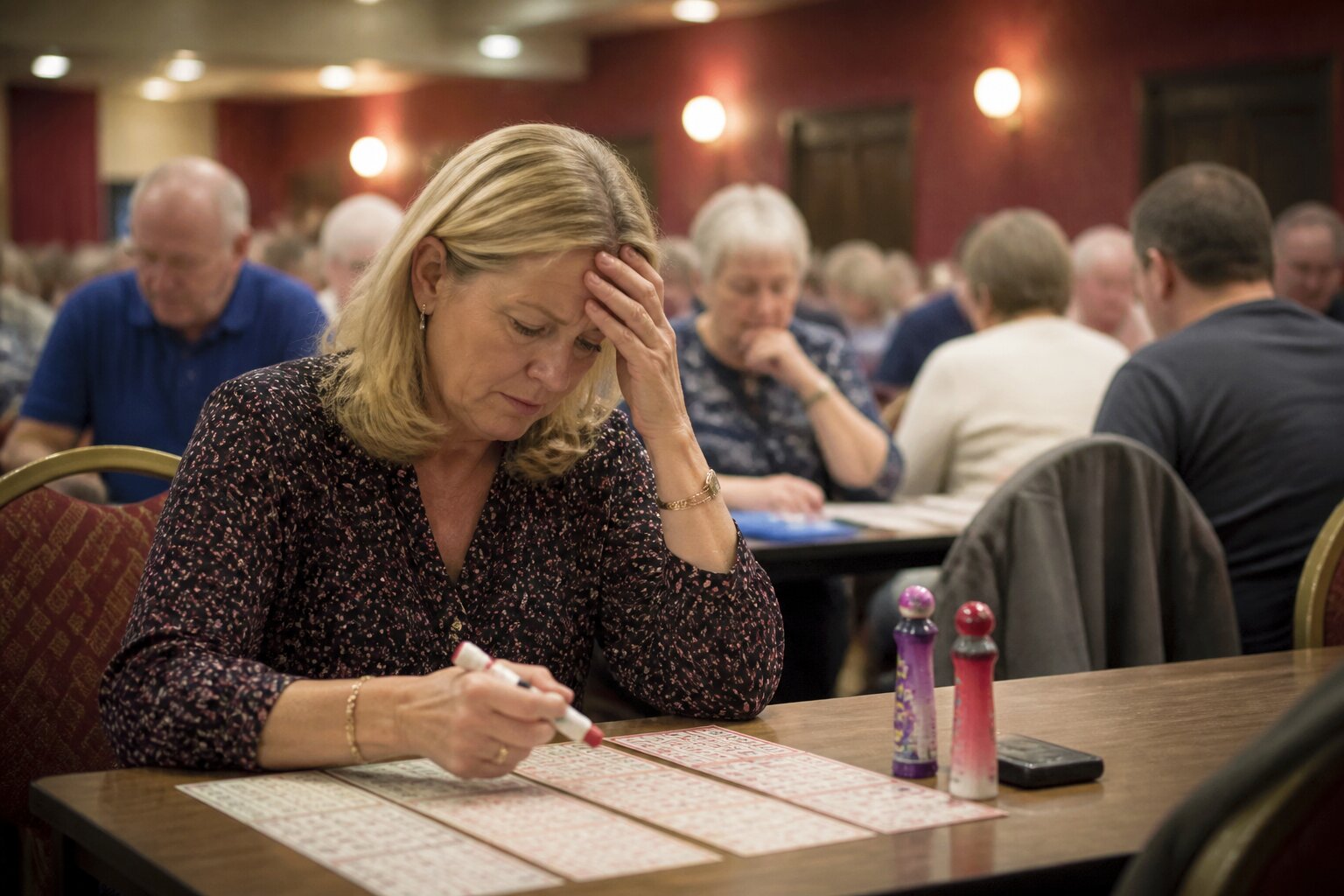
Have you ever wondered why winning at bingo seems so rare? Whether you play at a local hall or online, it’s easy to feel puzzled when the result doesn’t go your way.
Before you change how you play or believe every tip you hear, let’s separate common myths from how the game actually works. Understanding the realities will help you enjoy the experience more and stop chasing explanations that don’t hold up.
Read on to see what really matters in bingo — and what doesn’t.
Is Bingo Rigged or Fixed?
A lot of players worry that games might be fixed, but regulated bingo is run to strict standards to make sure outcomes are fair. Online draws use certified random number generators (RNGs) that are independently tested to ensure numbers are selected without bias. In halls, the draw process is supervised and subject to regular checks so that physical games are also transparent.
Operators and staff follow procedures that prevent interference with the result. When systems are supervised and audited, every draw is independent and no one can influence which numbers appear. That is the cornerstone of a fair game.
Knowing how the draws are controlled should reassure you. If you’d like more detail on how a particular operator is regulated, look for their published testing and audit credentials.
Does Buying More Tickets Guarantee a Win?
Buying several tickets increases the number of possible winning combinations you hold in a single game, but it does not guarantee a win. Each ticket competes on equal terms with all others in that draw, and outcomes are determined by the draw itself.
Think of additional tickets as more entries, not as a sure path to victory. That distinction is important when deciding how much to spend. Set a budget before you play and stick to it; treating extra tickets as a way to manage enjoyment rather than a way to secure a result helps keep the game sustainable.
It’s also worth considering how many people take part in a game. If lots of tickets are in play overall, the relative benefit of owning a few extra tickets is reduced.
Do Certain Seats or Times Improve Your Chances?
Some routines and preferences around seating or time of day are part of the social side of bingo, but they don’t affect the draw. Whether you sit at the front, pick the same chair every week, or play at off-peak times, the numbers are still selected independently of those choices.
These habits can contribute to comfort and enjoyment, which matter in their own right, but they do not change the mathematical odds of a particular ticket being completed first. If you enjoy a particular seat because of atmosphere or company, that’s a good reason to keep it — just not a reason to expect a different outcome.
Are Online Bingo Games Less Fair Than In-Person Games?
Concerns about online fairness are common, but the core controls are similar between formats. Online platforms deploy RNGs and are subject to independent testing and oversight. Physical halls rely on watched draws and procedural safeguards. Both approaches aim to produce random, verifiable results.
Where they differ is in presentation and record-keeping. Online systems usually provide clear histories of draws and can show how results were generated, while halls depend on physical records and staff procedures. If transparency matters to you, look for providers that publish their testing results or make draw histories easy to access.
If you prefer the social element of halls or the convenience of online play, you can choose either with reasonable confidence in the fairness of the game.
Is It True That Some People Are Just 'Lucky' at Bingo?
It may look as though the same players win frequently, but this often comes down to visibility and sample size rather than any innate advantage. Frequent winners may simply play more often or buy more tickets, which raises their number of opportunities. There is no inherent trait that gives a person an edge in the draw itself.
Perceived patterns of repeated wins are part of human nature — we notice and remember striking events. That’s why it can feel like certain people always do well, even though each draw is independent and every ticket has the same mathematical chance during that game.
What Role Does Probability Play in Winning at Bingo?
Probability describes how likely a particular outcome is. In bingo, your chance of winning a specific game is largely a function of how many tickets you hold relative to the total in play. If you own 3 out of 100 tickets, that is the straightforward measure of your chance in that draw.
Probability doesn’t provide certainty; it only describes tendencies across many games. This explains why some players can go long stretches without a win while others have more frequent success — it’s the same statistical process playing out over time.
Understanding this can make the game feel less mysterious and more predictable in the sense that outcomes follow clear, describable patterns when viewed across many plays.
Can Past Results Predict Future Wins?
Past draws do not influence future ones. Each game is an independent event with the same underlying probabilities, so a number appearing often in previous sessions does not become more or less likely to appear in the next draw. Attempts to spot patterns or rely on perceived trends from past results do not change the odds in new draws.
Treat each game as a fresh event. Strategies that focus on tracking historical frequency may be interesting to follow for fun, but they will not increase your chance of winning in subsequent draws. There is no reliable method to predict outcomes, and no pattern observed in past results can guarantee future success.
Play responsibly and remember that outcomes are random and governed by fixed probabilities. If you have concerns about gambling, seek help from appropriate support services.
What Are the Real Odds of Winning at Bingo?
Odds in bingo are straightforward when framed by participation. Your chance depends on the ratio of the tickets you hold to the total tickets in play. Each ticket has an equal chance of being the winner, so if you hold more tickets your chance increases in proportion to how many you have relative to the total.
For example, holding 2 tickets in a 100-ticket game gives you 2 out of 100 chances, which equates to 2% of the winning share for that draw. If you buy 10 tickets in the same game your chance rises to 10%, and if you hold 50 tickets you would have 50% of the chance. The calculation is simple: divide the number of your tickets by the total tickets, then multiply by 100 to get a percentage.
Several factors directly influence those odds:
- the number of tickets you hold
- the total number of tickets in play
- whether tickets are shared among players or held individually
As player numbers and ticket counts rise, individual chances fall accordingly. Larger, busier sessions tend to produce slimmer odds for any single ticket because the total pool grows while each ticket still represents one unit of chance. Knowing how these proportions work helps set realistic expectations about how often wins occur and why big sessions are less likely to produce small-ticket winners.
Play responsibly and only spend what you can afford to lose, as even clear odds do not guarantee a win.
The Truth About Bingo Myths and Enjoying the Game
Bingo brings social interaction, familiar routines, and the occasional thrill when a card completes, but many common beliefs about guaranteed methods or hidden advantages don’t stand up to scrutiny. No seat, time, personality trait, or past draw changes the math behind each game.
Keep two practical ideas in mind: know the mechanics of the format you prefer, and manage how much you spend so the activity stays enjoyable. If play stops being fun or you feel pressured to continue, help is available through confidential services.
Bingo is at its best when played for the social experience and straightforward enjoyment it offers. Keep expectations clear, stick to what you can afford, and you’ll get the most from every session.
**The information provided in this blog is intended for educational purposes and should not be construed as betting advice or a guarantee of success. Always gamble responsibly.