
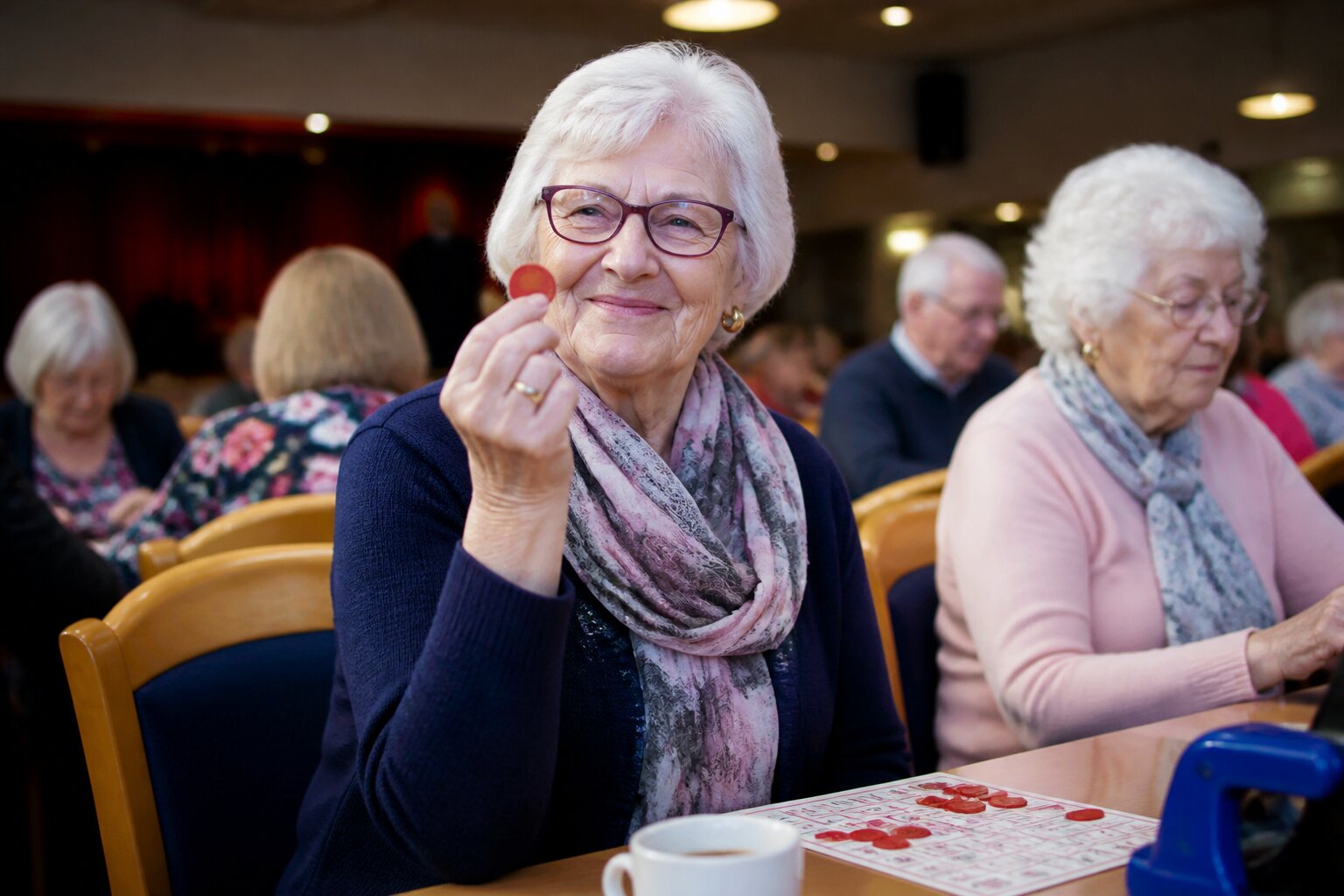
Ever been in a bingo hall or on a game and noticed the word “blind” when numbers are called? It can sound odd if you’re not used to the traditional calling style.
Bingo is full of distinctive phrases that make the game feel characterful, and “blind” is one of those terms that often prompts questions about its meaning and history. Read on to learn where it came from, how it’s used today, and what people sometimes get wrong about it.
What Does "Blind" Mean in Bingo?
In bingo, “blind” is used to indicate numbers that end in zero. For example, 10 is called “one and blind”, 20 is “two and blind”, and so on up to 80. The phrase signals the units place is a zero, helping players identify those numbers quickly on their cards.
This naming convention was developed to make calls clearer in noisy or fast-paced environments, not to change the way the game plays. The term doesn’t alter the outcome of a draw or give anyone an advantage; it’s simply a piece of calling tradition. If you’re new to the game, picking up a few of these calls can make it easier to follow along, but the main point is to enjoy the social side of the game while keeping play within your budget.
The Origins of the Term "Blind" in Bingo
Historical accounts trace this calling style to early 20th-century British bingo halls. Callers created a range of nicknames and phrases to make announcements louder, quicker and less likely to be misheard—especially where background noise was common.
Using “blind” for numbers with a zero in the units place offered a short, distinctive phrase that reduced the risk of confusion between similar-sounding numbers. Over time, it settled into the familiar repertoire of bingo calls used in many local halls and clubs. The word’s persistence reflects the game’s oral tradition: simple phrases that catch on because they work in the moment and stick in people’s memories.
Common Examples of "Blind" in Bingo Calls
Below are the standard calls that use “blind” for numbers ending in zero. They are the ones you will hear most often in traditional calling.
Popular "Blind" Numbers and Their Significance
- 10: called as “One and blind”
- 20: called as “Two and blind”
- 30: called as “Three and blind”
- 40: called as “Four and blind”
- 50: called as “Five and blind”
- 60: called as “Six and blind”
- 70: called as “Seven and blind”
- 80: called as “Eight and blind”
These announcements help players spot zeros quickly on their tickets, which is useful when several numbers are called in quick succession. Learning a few of the common calls makes it easier to follow the flow of the game and join in with the communal atmosphere.
Calls can vary slightly by region or by individual callers, with some using shorter or more elaborate phrases. If you are new to a bingo hall, listen for a few rounds to pick up the local style before joining in.
Play responsibly: set limits, take breaks, and remember bingo is a form of entertainment.
Do Other Bingo Terms Have Similar Origins?
Yes. Many familiar bingo phrases grew from the same need: quick, distinguishable calls that reduced errors and added personality. Callers developed short, catchy lines so players could pick out numbers even in noisy halls.
Examples include:
- Rhymes that link a number to a phrase, making it memorable.
- Number-based nicknames that visualise the digits, such as 11 or 22.
- Short phrases used for clarity and entertainment.
These terms serve the same practical purpose as "blind": they make numbers easier to pick out in a busy room and give the game a recognisable rhythm. That rhythm helps players follow the game and reduces mistakes, especially when many cards are in play.
Today, some venues retain the full set of traditional calls, while others blend older phrases with clear, plain-number announcements to suit different audiences. Choices about which style to use often reflect the crowd, the formality of the event and local tradition.
How Has the Use of "Blind" Changed Over Time?
The use of “blind” has shifted alongside changes in where and how people play. Traditional halls with live callers often keep classic calling styles, including “blind”, because they form part of the event’s character and social ritual.
By contrast, many modern digital platforms and automated systems favour direct number calls to help newcomers follow the game without needing to learn long-established phrases. Some calls have also been updated over time for clarity or to reflect changing community standards. Still, the presence of “blind” in a game is usually an indicator that the organisers value the traditional calling method and the communal element that comes with it.
Is "Blind" Still Widely Used in Modern Bingo?
Usage varies. In long-established community halls and local clubs you will still hear “blind” from time to time, especially where traditional calling styles are part of the atmosphere. These settings tend to value the familiar cadence and social ritual that the shorthand brings.
Commercial or automated environments, however, tend to favour plain calls to make the game accessible to a wider range of people. Clear, unambiguous announcements work well where games are larger, newcomers are present, or electronic displays and caller microphones are used.
Hearing “blind” can be a sign of continuity with the game’s past, but its absence does not change the fundamental nature of play. Whether a caller uses shorthand like “blind” or simply announces numbers plainly, the main aim remains the same: to provide a clear, sociable and inclusive experience for participants.
Caller training and venue policies also influence usage. Some clubs encourage traditional calling for heritage reasons, while others prioritize clarity and consistency to help people with hearing or language differences. In short, both styles continue to coexist depending on local custom, audience needs, and the setting.
Understanding the Social and Cultural Context of "Blind" in Bingo
“Blind” is part of the wider tapestry of bingo’s spoken culture—phrases passed down and adopted because they made sense in specific settings. These calls grew out of practical needs: to be heard and understood in a noisy room, to speed up play, and to reduce confusion. Over time they also acquired a social function, becoming recognisable markers of a particular hall or community.
That social context helps explain why some halls preserve older calling styles. Maintaining traditional calls can reinforce a sense of belonging and continuity for regulars, making sessions feel familiar and reassuring. Callers who use established phrases often do so to honour local customs and to keep a valued atmosphere alive.
For newcomers, encountering terms like “blind” can be an entry point to that tradition. Learning the language of a session offers a little cultural colour and helps people settle into the rhythm of play. It also serves a practical purpose, preserving clarity and fairness during a game where a clear, shared vocabulary matters.
Regional variation is part of the picture too. Different areas and different callers may have their own preferred phrases and rhythms, which contributes to bingo’s diverse spoken heritage. While some venues modernise their style, others deliberately retain older patterns to maintain identity and continuity.
Myths and Misconceptions About "Blind" in Bingo
Several misconceptions circulate about “blind”, so it helps to separate fact from fiction.
“Blind” carries a special rule or advantage: Not true. It’s simply a naming convention for numbers ending in zero and does not change game mechanics or outcomes.
“Blind” means playing without seeing your numbers: Also not true. All players use visible tickets; “blind” is purely a verbal cue from the caller.
Clearing up these ideas makes it easier to appreciate “blind” as part of bingo’s language rather than a secret system. The phrase survives because it worked well for callers and players alike, helping to keep the game flowing and giving sessions a recognisable character.
This completes the look at why “blind” is used in bingo: a small, practical calling device that has become a piece of the game’s heritage, still heard where tradition matters and understood for what it is wherever the game is played.
**The information provided in this blog is intended for educational purposes and should not be construed as betting advice or a guarantee of success. Always gamble responsibly.