
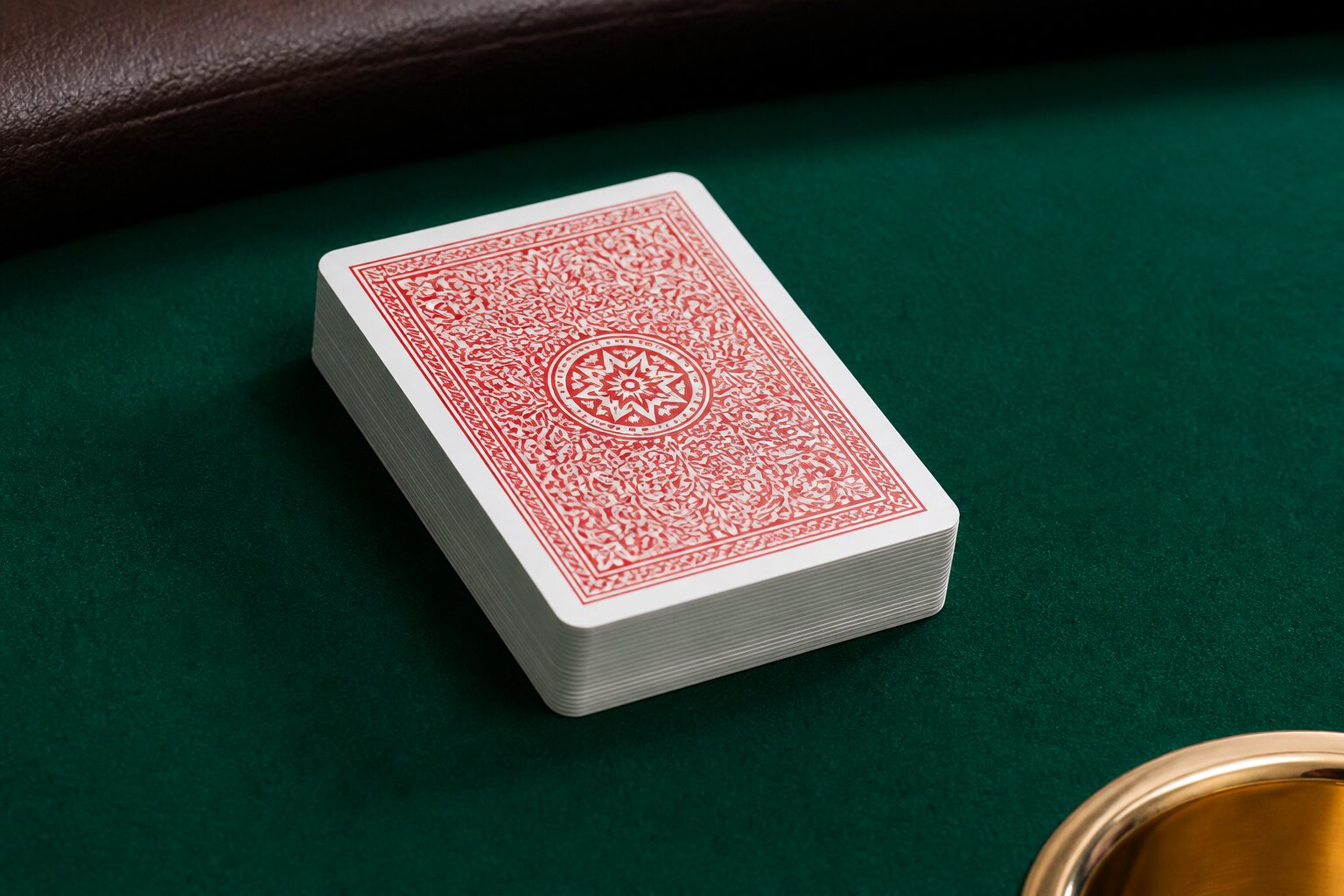
Ever noticed some blackjack tables feel trickier than others, or that the shoe looks thicker at one casino and slimmer at another? That change often comes down to the number of decks in play, and it can quietly alter how the game unfolds.
Deck count affects more than appearance: it influences odds, pace and how you might approach decisions at the table. Whether you play now and then or want to sharpen your understanding, knowing deck variations helps you choose a game that fits your style.
Read on to learn how different deck setups work, what they mean for the game, and where you’ll commonly find them.
What Is the Standard Number of Decks Used in Blackjack?
Historically, blackjack was usually played with a single 52-card deck, and that setup still appears in certain exclusive or high-limit rooms. Over time, casinos adopted multi-deck shoes to manage larger numbers of players and to reduce the effectiveness of advantage techniques that rely on tracking cards.
Today, six- or eight-deck games are the most common. Single-deck and double-deck tables exist but are rarer in modern venues. Online operators frequently mirror land-based practices, offering multi-deck games as a standard while keeping single- and double-deck options as speciality choices. You’ll typically see the deck count stated on the table or within the game’s information screen.
If you prefer a more traditional or intimate game, there are formats that deliver that experience; if you want consistent, fast-paced play with less frequent shuffling, multi-deck tables are usually the way to go. Next, we’ll explore why that difference matters for the play itself.
Why Does the Number of Decks Matter in Blackjack?
The deck count changes the frequency of particular cards appearing during play. With more decks, there are more copies of each card value, which makes the distribution of cards more even across a session and reduces short-term swings in card frequency.
Decks also alter the house edge. Generally speaking, games played with fewer decks tend to have a slightly lower house edge because certain favourable combinations occur a little more often. As deck numbers increase, the mathematical edge shifts a little towards the house, though the difference is usually modest.
These shifts don’t guarantee outcomes, but they do influence strategy choices and a player’s assessment of value when comparing tables. Understanding how deck count affects odds and card distribution helps you pick a game that matches your preferred balance between challenge and stability.
Types of Deck Setups in Blackjack
Blackjack appears in several deck formats, each offering a distinct tempo and feel. Single-deck games are compact and immediate; double-deck adds a layer of variety without greatly extending play; multi-deck games, commonly four, six or eight decks, smooth out variance and keep play continuous. The rules remain broadly the same across formats, but the player experience shifts with the number of cards in the shoe.
Below are the most common setups and what they typically offer.
Single Deck Blackjack Explained
Single-deck blackjack uses one standard 52-card deck. Because there are fewer cards, every draw noticeably alters the remaining composition, making the game feel more immediate. This tighter composition can make some hands more decisive and often shortens rounds, since the deck needs shuffling more frequently.
Single-deck tables appeal to players who enjoy a more traditional feel and a sense of greater influence over outcomes. They are less common in busy casino areas because of the higher shuffling rate, but where available they offer a compact, focused experience. If a faster rhythm and frequent reshuffle don’t bother you, a single-deck table can be engaging.
Double Deck Blackjack Variations
Double-deck blackjack combines two standard decks, totalling 104 cards. This format introduces more variety than a single deck while keeping rounds reasonably brisk. The extra deck reduces the impact of any single card being drawn, so hands are slightly less swingy than in single-deck play.
Double-deck games are a middle ground: they balance the immediacy of a single deck with the steadier flow of multi-deck play. Some venues include rule tweaks or different payout structures in double-deck tables to reflect that balance, so checking table rules before playing helps set expectations. For players who like both responsiveness and a touch of predictability, double-deck can be a good fit.
Multi-Deck Blackjack: Four, Six, and Eight Deck Games
Multi-deck games typically use four, six or eight combined decks. These are the standard in many busy casinos and online platforms because they reduce the need for frequent shuffling and accommodate more players per shoe. With more cards in the shoe, card distributions even out, which produces a steadier long-run pattern of results.
Larger shoes also support a wider variety of game offerings and side bets without disrupting the flow. While the theoretical house edge nudges upward with extra decks, the practical effect is small for most casual sessions. If you prefer fewer interruptions and longer stretches between shuffles, multi-deck play suits that preference well. Up next, we’ll remind you what makes up each deck and why that baseline matters.
How Many Cards Are in a Deck and Why Does This Matter?
A standard deck contains 52 cards: four suits of 13 cards each, including number cards two through ten plus jack, queen, king and ace. This fixed composition is the foundation for how blackjack probabilities are calculated and how common or rare certain hands are.
Knowing the deck composition matters because percentages and expected outcomes are based on those 52 cards. For example, the ratio of ten-value cards to other ranks is a key factor in how often blackjacks and strong dealer hands occur. That same composition, multiplied by the number of decks in the shoe, shapes the statistical profile of each variant.
Understanding this baseline gives context when comparing tables or when assessing how rule variations interact with deck count. With that in mind, the next section looks at whether deck numbers really change the odds you face.
Does the Number of Decks Affect the Odds?
Deck count does affect theoretical odds, but the practical differences are relatively small. Fewer decks slightly increase the likelihood of certain favourable combinations, which reduces the house edge by a small margin. Adding more decks pushes the edge back in the casino’s direction, though rarely by a dramatic amount.
For example, the frequency of getting a blackjack with an ace and a ten-value card shifts a little as decks are added, and that small change influences expected returns over large numbers of hands. Over short sessions, however, individual outcomes can vary widely and are not determined solely by deck count.
When choosing a table, weigh the modest odds differences alongside table limits, rule variations and the overall experience you want. The decision often comes down to preference rather than a firm mathematical advantage at typical session lengths.
Where Do You Find Different Deck Setups? Casino vs. Online
Land-based casinos tend to favour six- or eight-deck games in general play to suit higher traffic and minimise interruptions. Single- and double-deck tables appear less often and are usually positioned as specialty or premium options when they are available.
Online platforms offer greater variety because the digital environment removes many logistical constraints. You’ll commonly find multi-deck games alongside single- and double-deck options in both virtual and live dealer formats. This wider selection lets players choose a style that matches their preferred pace and table rules.
All UK operators must meet regulatory standards that ensure fairness and clear information about game rules. Knowing where and how each deck format is offered helps you select the right game, and the next section clears up some common misunderstandings about deck numbers.
Are Myths About Deck Numbers in Blackjack True?
Several myths circulate about deck counts, including claims that a particular setup guarantees consistent success or that certain numbers give players a decisive edge. In truth, while deck numbers influence theoretical odds, they do not eliminate the inherent unpredictability of each hand.
Beliefs that a specific deck format will produce reliable wins are not supported by evidence. Changes in deck count shift probabilities in calculable ways, but those shifts are subtle and most relevant over large numbers of hands rather than single sessions. A clear-eyed view of how deck count interacts with rules and payout structures will serve players better than relying on myths.
If evaluating tables, focus on concrete factors such as payout rates for blackjacks, whether the dealer hits or stands on soft 17, and table limits, alongside the deck count. These combined elements give a fuller picture of the game's value than any single myth about deck numbers.
Choosing the Right Blackjack Table for You
Picking a table is about matching the game to how you like to play. Consider deck count, but also look at table rules, stake levels and the pace you prefer. Single- and double-deck tables feel more immediate; multi-deck tables run longer and usually have fewer interruptions.
Comfort with the specific rules is important so there are no surprises during play. Set clear spending limits and stick to them to keep the experience positive and sustainable. With those factors in mind, you can choose a table that fits both your style and your budget.
Whichever format you pick, the key is to play with a clear plan and enjoy blackjack as an engaging game of skill and chance.
**The information provided in this blog is intended for educational purposes and should not be construed as betting advice or a guarantee of success. Always gamble responsibly.